P4 POWER COACHING™
P4 Power Coaching™
Blogs

The Quiet Cost of Broken Promises in Leadership
It’s better not to make a promise than to make one and break it.
Trust erodes far faster than it grows—and in leadership, the damage is often silent before it’s
visible.
Whether or not a leader uses the word promise, the moment they say, “I’ll take care of
that,” or “I’ll follow up,” or “We’ll revisit this,” an expectation is created. And when that
expectation isn’t met, the impact goes deeper than most leaders realize. They have broken a
promise, even if they didn’t literally use the word.
A Leadership Blind Spot
“David” was a well-respected operations leader. Smart. Approachable. Well-intentioned. He
genuinely cared about his people and believed trust was one of his strengths.
But over time, his team grew quieter.
Suggestions slowed. Engagement dipped. A subtle sense of disengagement crept in—nothing
dramatic, just a noticeable shift in energy.
When we gathered feedback as part of a leadership development process, a pattern emerged that
surprised him.
Comments included:
“He means well, but things aren’t always followed through on.”
“I’ve stopped bringing things up because nothing seems to change.”
“He says he’ll look into things, but stuff usually just disappears on his desk.”
David wasn’t dishonest. He wasn’t careless. He was overloaded—and unaware of how
unfinished execution was being interpreted.
How Different Personalities Experience Broken Commitments
Using P4 Personality for Professionals™, David began to see something he had missed.
The same failed commitments hit very differently across his team:
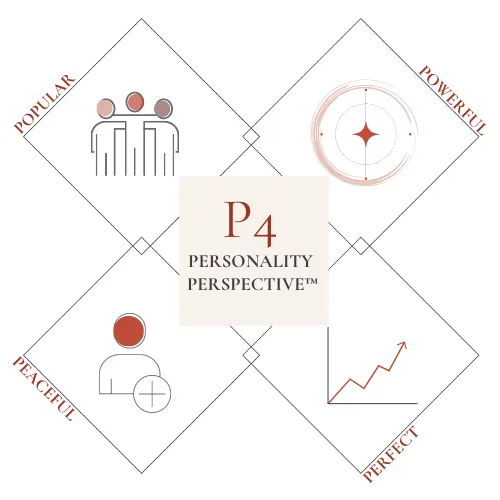
Peaceful personalities internalized disappointment. They didn’t complain—they withdrew.
Perfect personalities quietly lost confidence in systems and leadership credibility.
Powerful personalities became frustrated and skeptical, questioning authority and direction.
Popular personalities felt deflated and disengaged, assuming their input didn’t matter.
No one confronted him directly. But trust was eroding—one unkept word at a time.
That’s the danger of broken promises in leadership: the damage often shows up long after the
moment has passed.
From Awareness to Intentional Leadership
Once David understood this, he didn’t expect perfection from himself. Instead, he
became intentional.
He stopped overcommitting. He courageously said, “No,” or “I cannot promise,” more often.
He clarified timelines before agreeing to action.
He followed up—even when the answer was “not yet.”
And when he couldn’t deliver, he communicated early.
Those small shifts made a big difference.
Over the next several months:
Team members re-engaged
Conversations became more open
Trust slowly—but noticeably—returned
Why Integrity Shows Up in the Small Things
Leadership integrity isn’t built on grand speeches or mission statements.
It’s built on:
Doing what you said you would do
Closing loops
Respecting people enough to follow through
Communicating when circumstances change
When leaders become men and women of their word, teams don’t just notice—they respond.
A Practical Takeaway
Broken promises rarely come from bad intent. They come from unclear expectations, overload,
and a lack of awareness of how people interpret leadership behavior. Frameworks like P4
Personality for Professionals™ help leaders see the ripple effect of their words—and build
habits that protect trust before it’s damaged.
Because integrity isn’t loud. It’s consistent.
Organizations that integrate P4 Personality™ into leadership development often strengthen trust
and follow-through. Licensing P4 Personality for Professionals™ supports cultures built on
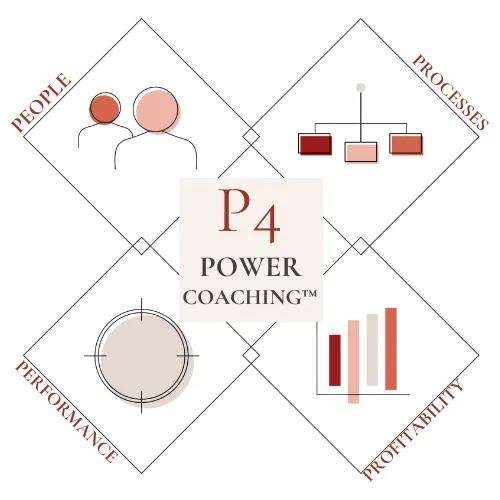
credibility and consistency. At P4 Power Coaching™ our mission is to help increase the income
and strengthen the sustainability of American businesses by focusing on the people, processes,
and performance that prime profitability.






P4 POWER COACHING™
©2025 ANITA BROOKS
PRIVACY POLICY
TERMS · CONDITIONS